When I first stepped into the Living Lands of Avowed, I’ll admit I felt a pang of disappointment. Obsidian Entertainment, the brilliant minds behind Fallout: New Vegas, seemed to have traded their signature dark humor for something resembling Horizon Zero Dawn or even Dragon Age: The Veilguard. The opening hours in Dawnshore felt jarringly lightweight—full of quippy one-liners and NPCs who seemed plucked from a slapstick D&D session. Characters like Marius, despite occasional serious moments, delivered dialogue with sitcom timing that shattered immersion. 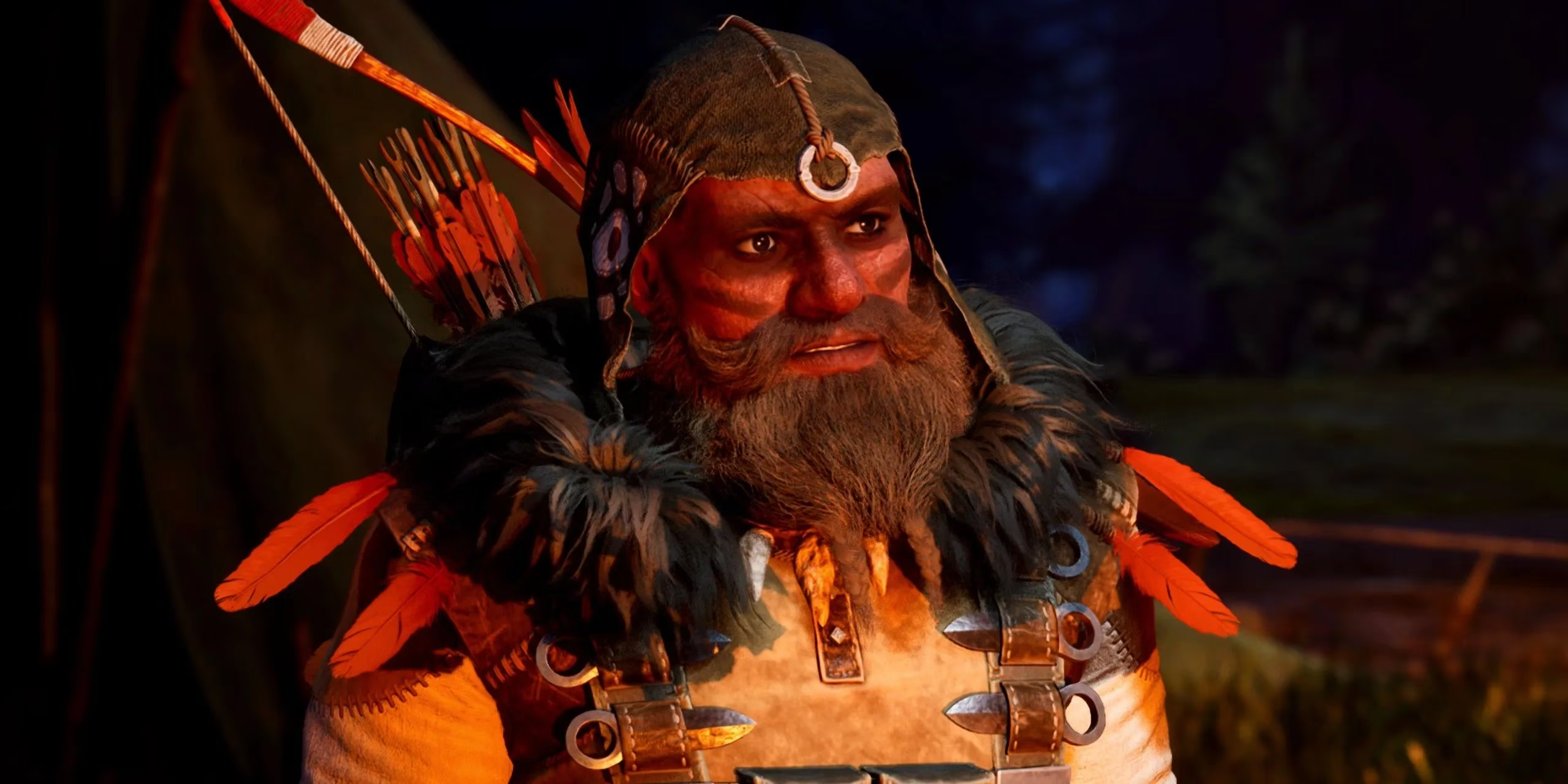
Fantasy worlds inevitably reflect modern sensibilities—Baldur’s Gate 3 masterfully blends Renaissance inspiration with contemporary themes. Yet Avowed’s early attempts at humor felt painfully dated at launch. Random villagers in Paradis cracked jokes that landed like stale memes, while moral choices presented in Dawnshore’s smuggling subplot lacked weight. They felt didactic, not nuanced. I didn’t agonize over decisions; I clicked through them, detached. The world-building initially clashed with Obsidian’s legacy, lacking the gritty believability that made Pillars of Eternity resonate.
Then came Emerald Stair. The pivot hit me like a warhammer. Discovering merchant Marynna’s corpse in Galawain’s Tusks wasn’t just shocking—it was a declaration. This wasn’t a Saturday morning cartoon anymore. The Living Lands revealed their teeth. When my inaction led to the burning of Fior mes Ivèrno by the Steel Garrote, the game transformed.  Suddenly, consequences mattered. Flames consumed the screen, and Avowed shed its playful skin. Key characters still enjoyed plot armor, but the stakes felt visceral, raw. The tonal whiplash was intentional, almost deceptive. Dawnshore’s xaurip camps and cowardly henchmen gave way to Shatterscarp’s brutal no-win scenarios.
| Game Section | Tone | Player Impact |
|---|---|---|
| Dawnshore | Lighthearted, comedic | Low stakes, minimal emotional weight |
| Emerald Stair Onward | Dark, consequential | High tension, morally complex decisions |
This evolution mirrors the envoy’s arc—from Aedyr’s loyal agent to a defiant rebel. Inquisitor Lödwyn’s Skeletor-esque reveal still leans into silliness, but it’s now counterbalanced by genuine gravity. Later quests forced me into impossible choices: sacrifice allies for power or uphold ideals at catastrophic cost. These moments, absent early on, showcased Obsidian’s true narrative prowess.
Why the jarring start? Perhaps to lure players unfamiliar with Pillars of Eternity’s depth. Yet Baldur’s Gate 3 proves accessibility doesn’t require dumbing down. Avowed’s opening feels like a fantasy SNL sketch—a gateway to something richer but initially unconvincing. Once the mask slips, though, the game shines. The Living Lands become a place where:
-
😄 Whimsy coexists with horror
-
🔥 Choices scar the world permanently
-
⚔️ Ideologies clash in gray, messy battles
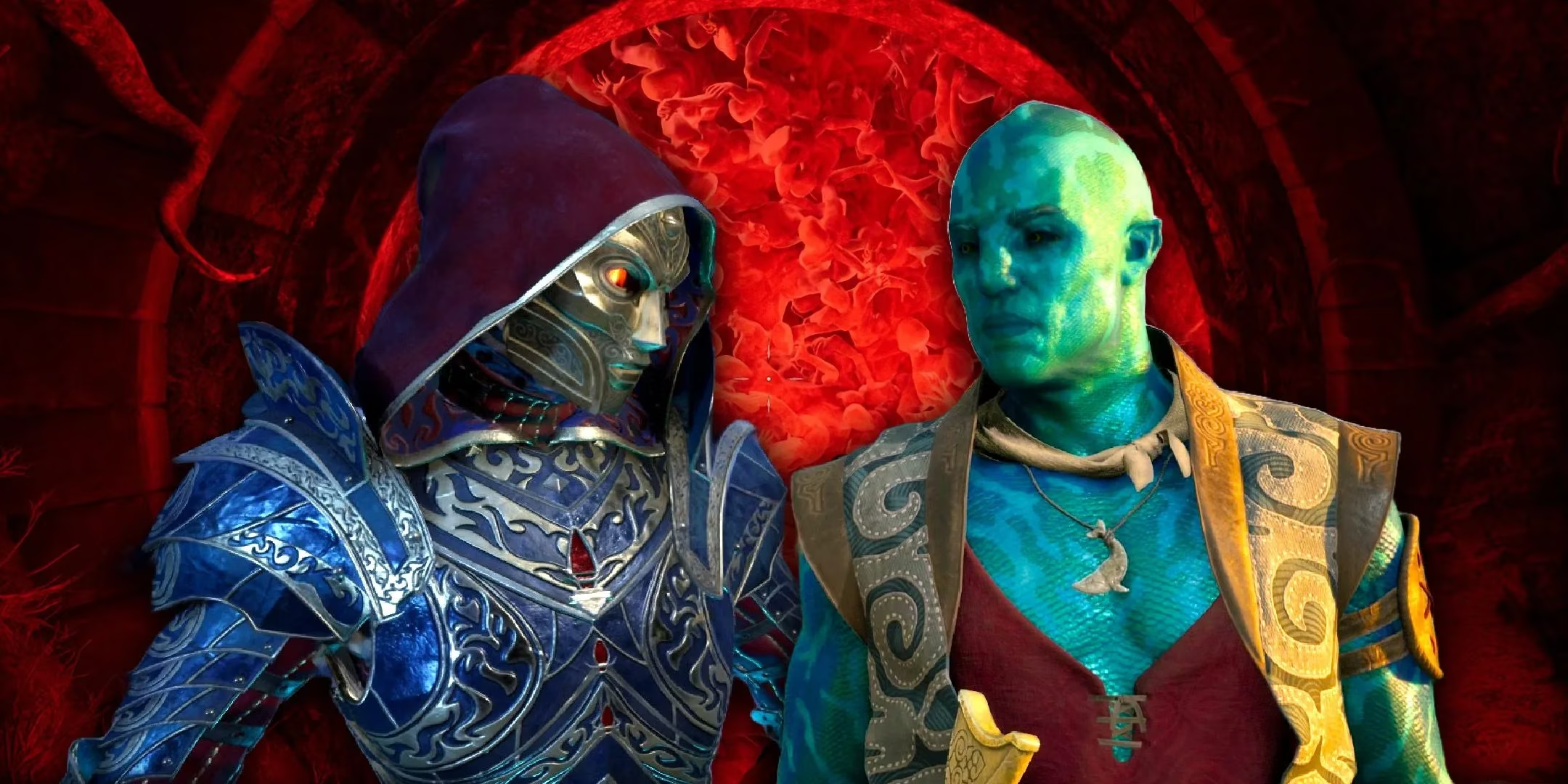
Ultimately, Avowed’s strength lies in its metamorphosis. I still resent Dawnshore’s forgettable gag characters, but the journey beyond—punctuated by haunting vistas and tragic twists—redeems it. Obsidian took a gamble: baiting us with fluff before revealing a blade. For all its initial missteps, the game earns its place among 2025’s most compelling RPGs by daring to evolve.