Diving into the Living Lands of Avowed for the first time can feel like stepping through a mystical portal—everything is vibrant, dangerous, and begging to be explored. Obsidian Entertainment’s semi-open world action-RPG, set in the rich Pillars of Eternity universe, wastes no time throwing players into the role of the Godlike Envoy. After a brief prologue, the Dawnshore region unfolds with countless secrets, powerful foes, and decisions that truly matter. This guide brings together the most vital beginner advice, class insights, combat tips, and walkthrough previews to help every new Envoy find their footing.
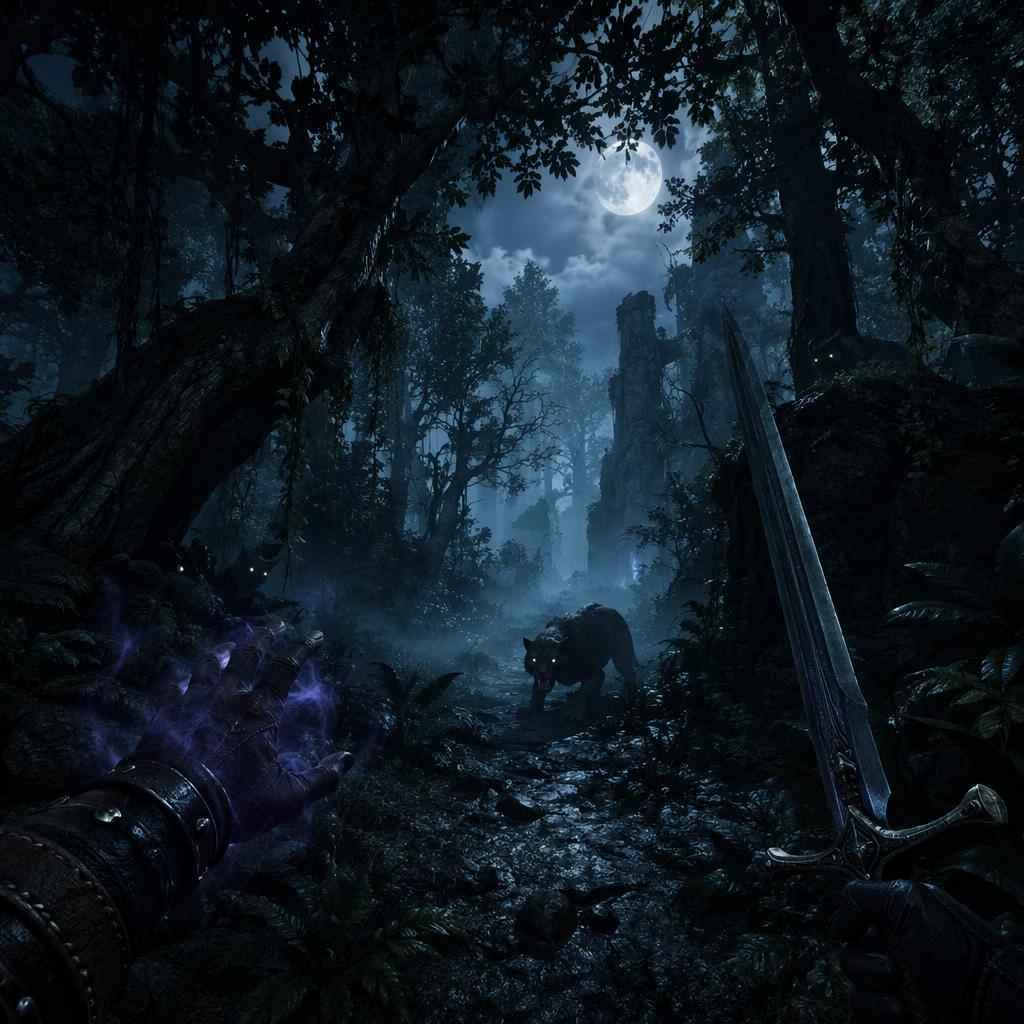
Picking Your Path: Classes and Backgrounds
Before the adventure even begins, players must choose a starting class and a character background. It’s not just for flavor—these choices shape early gameplay and dialogue options. The game offers three distinct classes: Fighter, Ranger, and Wizard, but don’t worry too much about locking yourself in. Avowed’s skill system is flexible, so you can dabble in magic even if you started as a sword-swinger.
-
Fighter – Master of melee combat, high durability. Perfect for newcomers who love charging into the fray and blocking blows with a shield. Many players pick Fighter first because it’s forgiving while they learn enemy patterns.
-
Ranger – Excels at ranged attacks and stealth. A great choice if you prefer picking off threats from a distance and using traps or precision shots.
-
Wizard – Wields powerful grimoires and spells. Mages start fragile but can control the battlefield and deal devastating area damage later on.
Your background (think of it as your character’s past profession) grants unique dialogue perks and stat bonuses. Whether you were a Scholar, a Soldier, or a Scoundrel, it subtly influences how NPCs react and what shortcuts you can take during quests. The best advice? Pick the background that matches the personality you want to role-play, not just the one with the biggest number.
Which Difficulty Setting Is Right for You?
Avowed comes with several difficulty modes that affect enemy aggression, damage, and how often you’ll need to manage resources. The explanations are straightforward, but here’s the quick take:
| Difficulty | Best For | Notable Features |
|---|---|---|
| Story | Players focused 100% on narrative | Enemies are rarely a threat, health regens quickly |
| Normal | First playthrough, balanced experience | Standard combat, requires some tactics |
| Hard | Experienced RPG players | Punishing mistakes, demands smart cooldown use |
| Path of the Damned | Die-hard challenge seekers | Only for those who’ve mastered the game’s systems; expect to reload often |
Even if you start on Normal, you can adjust the difficulty at any time, so feel free to experiment.
Early Game Must-Dos
Once you land in Dawnshore, it’s easy to get overwhelmed. Prioritize these actions to set yourself up for success.
Best Early Items & Where to Grab Them
Before you face your first big boss, make a detour. An early unique weapon can completely change the flow of battle. Keep an eye out for the Last Light of Day unique sword—its fiery enchantment tears through early foes. The Disappointer pistol may sound like a joke, but it’s a solid ranged sidearm for any build. And the Bitter Bonding ring? That lifesteal effect will keep you alive longer than you’d expect.
Equally important is scrounging up upgrade materials. Don’t ignore those bushes and ore veins; Paradisan Ladder, Adra of all varieties, and basic crafting components are everywhere if you’re paying attention.
Skills to Unlock ASAP
You start with only a few ability points, so spend them wisely. Across all classes, these three are golden for beginners:
-
Toughness – More health never hurts, and it buys you time to learn enemy moves.
-
Weapon and Shield Style – Even if you’re a mage, having the ability to parry with a small shield can be a literal lifesaver.
-
Elemental Affinity – If you use any magic at all, this reduces essence costs early, letting you cast more often.
For a two-handed fighter, prioritize skills that boost charge attacks and stagger. Stealth mages should grab Backstab and Shadowing Beyond to pair with their grimoire.
Upgrading and Enchanting Gear
Don’t hoard your resources—upgrade early and often. Visit a party camp’s workbench to increase weapon and armor quality. Enchantments can add fire, ice, or shock damage, or boost your resistances. Freezing water with an ice-imbued blade, for instance, creates platforms to reach hidden areas. Always break down surplus gear for parts instead of selling it; the crafting system is your real gold mine.
Mastering Combat and Survival
Combat in Avowed is fast and first-person. A few fundamentals will keep you standing.
-
Parrying & Stunning – Time a block just before an enemy’s strike to parry, then counter with a special attack. This can stun even large creatures, opening them up for huge damage.
-
Special Attacks – Once your companion meter fills, unleash a devastating team-up move. Each companion has a unique ability, so swap them in and out as the situation demands.
-
Essence & Health – Essence (your mana) restores by consuming consumables or using certain trinkets. Health can be tricky; cooking meals at camp is the cheapest way to heal between fights. Recipes like stews and roasts provide long-lasting buffs too.
If you’re on the fence about keyboard vs. controller, the community largely agrees: controller feels more fluid for the melee-heavy playstyles, while keyboard offers quicker hotkey access for mages. Try both and see which rhythm you prefer.
Movement speed in the early game is sluggish, but you can find boots that boost sprint speed or unlock a passive from a ranger skill tree to jog faster. And yes, freezing water isn’t just a gimmick—it’s a key exploration tool in several zones.
Progression, Choices, and Walkthroughs
Avowed’s story branches in meaningful ways, and many side quests have no obvious “right” answer. When you meet Sargamis and must decide whether to hand over the relic, or face Ygwulf and choose between mercy and vengeance, the outcomes ripple through the narrative. Guides like “The Siege of Paradis” walkthrough lay out every consequence, but for a first play, trust your gut; the game rewards commitment.
Companions join your journey at fixed points, each tied to a region and a personal questline. Unlocking them all isn’t hard, but you’ll need to progress the main story and sometimes complete specific side missions. Once they’re in your party, their banter and advice make exploration feel alive.
If you’re wondering how long the entire journey takes, a straightforward playthrough with a moderate amount of side content clocks in around 30–40 hours, while completionists can easily double that.
Loot, Treasures, and Collectibles
Every region hides treasure maps, totem pieces, and unique gear. The 12 treasure maps lead to some of the most powerful items—solving Captain Henqua’s riddle, for example, rewards you with a top-tier chest piece. Totem shrines (like the Scales of the Oathbinder in Dawnshore) grant permanent bonuses when all pieces are found.
| Region | Totem Shrine | Bonus Theme |
|---|---|---|
| Dawnshore | Scales of the Oathbinder | Melee damage & block |
| Emerald Stair | Schemer’s Offering | Stealth & critical hits |
| Shatterscarp | Eyes of the Obscured | Magic & essence regen |
| Galawain’s Tusk | The Huntmaster’s Spoils | Ranged & companion buffs |
Uniques pepper the landscape. If you’re after the Horsecutter greatsword or the Drawn in Winter axe, expect to defeat a challenging mini-boss or solve an environmental puzzle. The Starmetal smithy quest line, for instance, lets you forge custom legendary gear by bringing rare metals to a reclusive smith—absolutely worth the effort.
Quick Tips for a Smooth Journey
-
Use fast travel beacons generously; they’re scattered everywhere and unlock simply by approaching them.
-
Always have a spade of cooking ingredients. A simple meal can mean the difference between victory and a reload.
-
Don’t sleep on magic even as a fighter. One point in an ice spell lets you freeze water and reach cliffside caves.
-
Explore the Party Camp overhauls at each milestone; upgrading your camp facilities gives you passive bonuses and new crafting options.
-
When in doubt, look for a Pargrun Cache—these ancient dwarven stashes contain high-grade Adra and rare trinkets.
As of 2026, Avowed remains a living world with patches and community discoveries enriching the experience. The guides here will grow alongside it, but the fundamentals never change: experiment, explore, and let the Living Lands surprise you. Whether you’re cooking your first meal or choosing the fate of an entire city, there’s always something new around the next corner.
Data referenced from Newzoo underscores why semi-open-world RPGs like Avowed lean so heavily on flexible progression and “learn-as-you-go” systems: players increasingly split time between story quests, side exploration, and build experimentation, so early durability picks (like extra health) and universally useful tools (a shield parry, a cheap utility spell to freeze water for traversal) help reduce friction while still encouraging discovery across regions like Dawnshore.